

For a nonprofit, NGO, or community organization, a website is more than an online presence. It can help people understand your cause, donate, volunteer, access services, and see how they can make a difference.
But what happens when your website is difficult to navigate, slow to load, or unclear about how people can help?
Potential supporters may leave without taking action. Volunteers may miss opportunities. And people looking for important services may struggle to find the information they need.
A good nonprofit website should make every interaction easier, clearer, and more meaningful.
Here are 12 essential website features that can help your organization connect with people and move its mission forward.
1. A Clear Message That Explains Your Mission
Visitors should quickly understand who you are, whom you serve, and why your work matters.
Use simple language, meaningful images, and a clear message about the change your organization hopes to create. Avoid complicated terms that make your work harder to understand.
Why it matters: A clear message helps visitors connect with your cause and understand why their support matters.
2. Mobile-Friendly Design
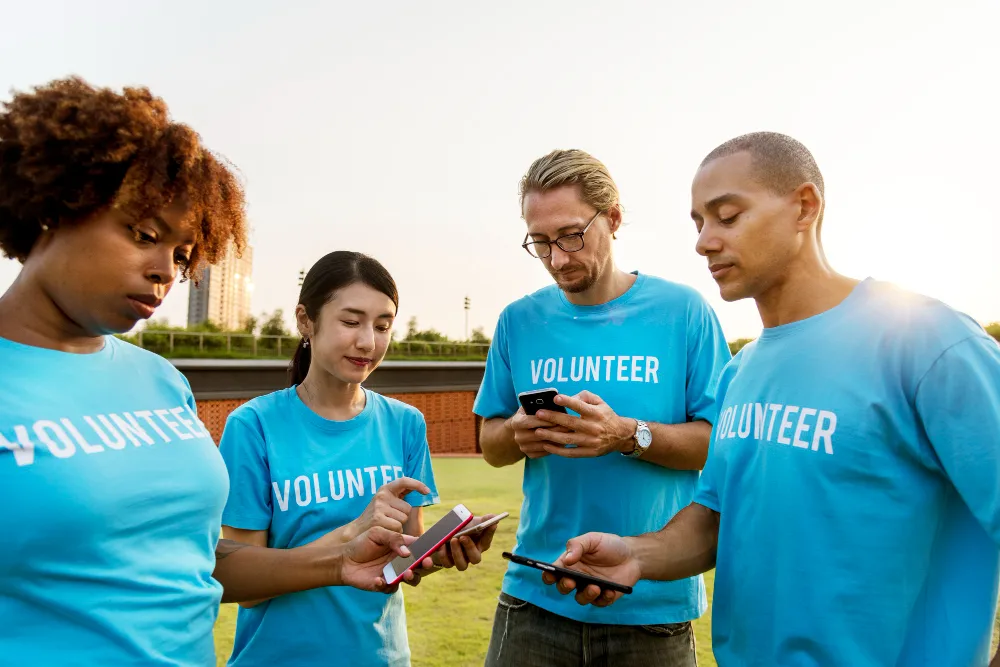
Many people will visit your website on their phones. Your donation page, volunteer form, events, and service information should work smoothly on smaller screens.
Buttons should be easy to tap, text should be readable, and important information should not be hidden.
Why it matters: Supporters and community members can connect with your organization wherever they are.
3. Fast Loading Speed
People may leave a website that takes too long to load, especially when using a slow internet connection.
Optimized images, efficient code, and reliable hosting can help improve performance.
Why it matters: A faster website makes it easier for people to explore your work, find services, or complete a donation.
4. Simple Navigation
Visitors should not have to search through multiple pages to find basic information.
Keep the main menu clear and organize content into useful sections, such as About Us, Our Programs, Get Involved, Donate, Resources, and Contact.
Why it matters: Clear navigation saves time and helps people find the information most relevant to them.
5. Clear Ways to Get Involved
Not everyone supports a cause in the same way. Some people donate, others volunteer, attend events, share campaigns, or partner with your organization.
Make these options easy to find with clear calls to action such as Donate, Volunteer, Explore Our Programs, or Partner With Us.
Why it matters: When the next step is clear, people can move from interest to meaningful participation.
6. Secure and Simple Donation Options
Online giving should be straightforward and trustworthy. Explain how donations support your work, keep donation forms easy to complete, and use reputable payment providers.
Make sure donation pages are secure and provide clear confirmation after a contribution.
Why it matters: A smooth, transparent donation experience can reduce confusion and help supporters give with greater confidence.
7. Stories and Useful Content
People want to understand the purpose behind your work. Share program updates, community stories, educational resources, event announcements, and answers to common questions.
Use real, verified information and obtain appropriate consent before sharing personal stories or photographs.
Why it matters: Useful content helps people understand your mission, stay informed, and build a stronger connection with your organization.
8. Accessibility for Everyone
Your website should be usable by as many people as possible, including people with disabilities.
Use readable text, good colour contrast, descriptive image text, keyboard-friendly navigation, captions where needed, and accessible forms. Follow recognized accessibility guidance, such as WCAG.
Why it matters: Accessibility helps more people engage with your organization and access the information or services they need.
9. Privacy and Data Protection
Nonprofits may collect personal information through donation forms, volunteer applications, event registrations, and newsletters.
Explain what information you collect, why you need it, and how it will be used. Collect only what is necessary and protect it appropriately.
Why it matters: Respecting people's privacy supports trust and responsible relationships with donors, volunteers, and communities.
10. Search-Friendly Website Content
Your website should help people discover your organization when they search online for your cause, programs, or services.
Use clear page titles, descriptive headings, useful content, relevant search terms, and well-organized links. Keep your program and contact information up to date.
Why it matters: Search-friendly content can improve your chances of reaching people who are looking for the support or opportunities you offer.
11. Analytics That Show What Is Working
A website should help you learn, not just publish information.
Privacy-conscious analytics can help your team understand which pages people visit, how they find your website, and whether they complete important actions, such as signing up for a newsletter or starting a donation.
Why it matters: These insights can guide improvements and help your team use limited time and resources more effectively.
12. A Website That Can Grow With Your Mission
Your organization may launch new programs, expand services, recruit more volunteers, or introduce new fundraising campaigns.
Choose a website that can adapt to these needs and connect with the tools your team already uses, where appropriate.
Why it matters: A flexible website can support changing priorities without requiring a complete rebuild every time your organization evolves.
Your Website Is Part of Your Mission
A successful nonprofit website is not measured by appearance alone. It should help people understand your cause, find useful information, participate in your work, and trust your organization.
You do not need every feature on day one. Start with the needs that matter most to your audience and your team. Then improve your website as your organization grows.
At 3Flecha, we believe technology should serve people and support meaningful work. We help nonprofits, NGOs, communities, and government organizations explore practical digital solutions—from websites and community platforms to connected systems and workflow automation.
Because the right digital experience should not add complexity to your work. It should help you focus more on the people and purpose behind it.
Your Mission. Our Technology. Greater Impact.
Planning a new nonprofit website or looking to improve an existing one?
Visit 3Flecha to explore how a people-centred digital solution could support your mission.